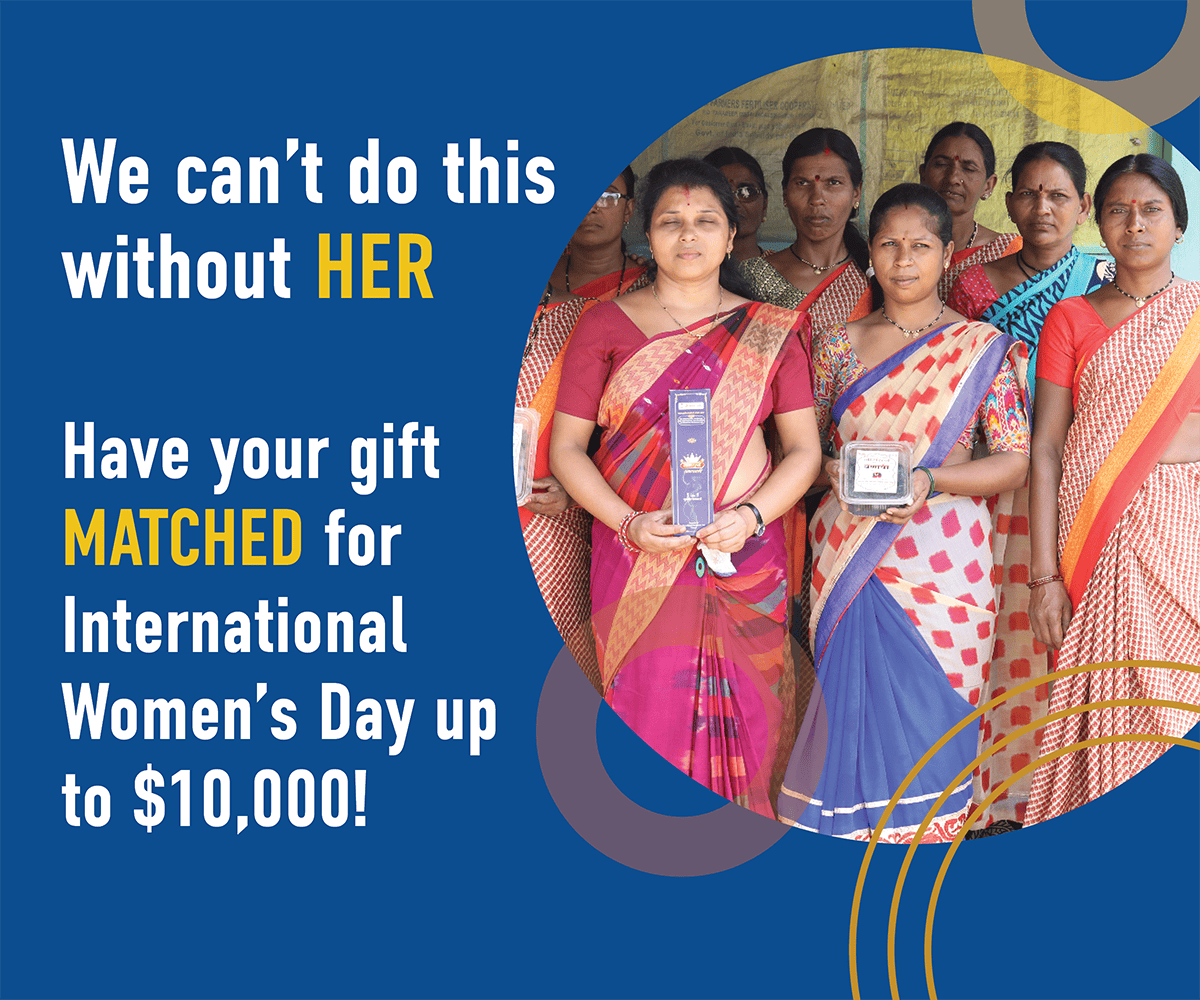
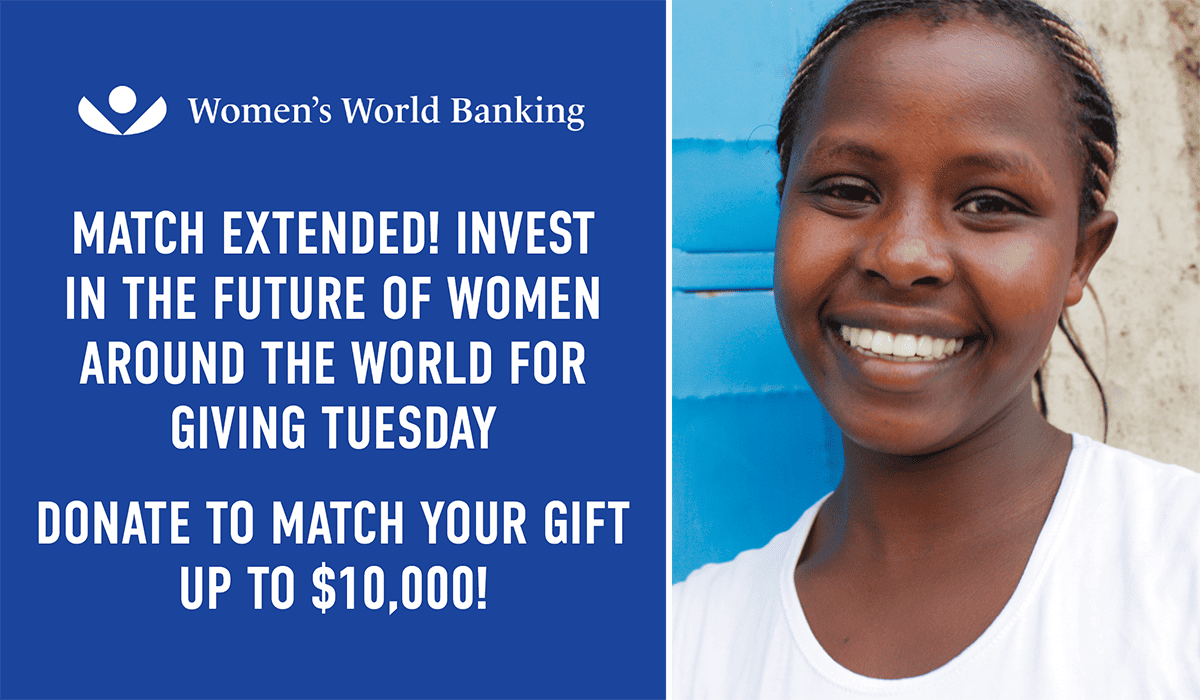
Women’s World Banking is dedicated to ensuring the future of the economically empowered woman. She has access to financial and technological tools in her own name and is comfortable using them. She is making financial decisions for her household. She makes sure her kids stay in school and she knows her financial future is safe. She votes. If she’s a business owner, she is treated as one. She supports her community, invests in her family and she helps to boost the economy for all of us.
Without her, there’s no inclusive economic growth.
Join us to activate an economy that works for her.
Together, we’ll transform lives, communities and the world.
Women’s World Banking President & CEO Mary Ellen Iskenderian makes the business case for financial inclusion and why it takes more than microloans to empower women and promote sustainable, inclusive economic growth.
Why Financial Inclusion
Why Does It Matter?
Today, nearly one billion women around the world are unserved or underserved by the formal financial sector and unable to reach their full economic potential. If you brought all of these women together, they would make up the third-largest country in the world.
There is an untapped $700 billion annual revenue opportunity for banks and other financial service providers if they did nothing more than provide financial services to women at the same rate they are provided to men. If women participated equally, $12 trillion could be added to global annual GDP by 2025. Financial inclusion is not just a driver of economic growth, but inclusive growth.
What’s more, millions of women in developing countries are micro-entrepreneurs, and that number is growing. Yet, 70% of women entrepreneurs report inadequate access to the capital necessary to grow their businesses.
— Eden Tadesse, CEO of Invicta in Ethiopia
Advancing Financial Inclusion
Turning Insights Into Action
Using our market research and evidence from in-region advisory projects, we turn insights into action for measurable impact. Learn how we design, scale and invest in products, policy and people to advance financial inclusion for economic empowerment. It’s what we do. We offer financial inclusion opportunities for women across the globe through fintech and financial and technological opportunities.
To date, we have reached more than 37 million women in emerging markets through our programs, helping to change not only their lives but the lives of their households, communities, and businesses.
Women’s World Banking uses the term “reached” to describe any woman who benefits from our programs to enhance financial inclusion, defined as giving women the choice to access and capability to use financial services. This includes:
Women who have access to new or enhanced products or services, delivered directly in partnership with financial service providers.
Women projected to benefit from products, services, or policies that deepen their financial inclusion, through investment and influence with financial service providers and policymakers.